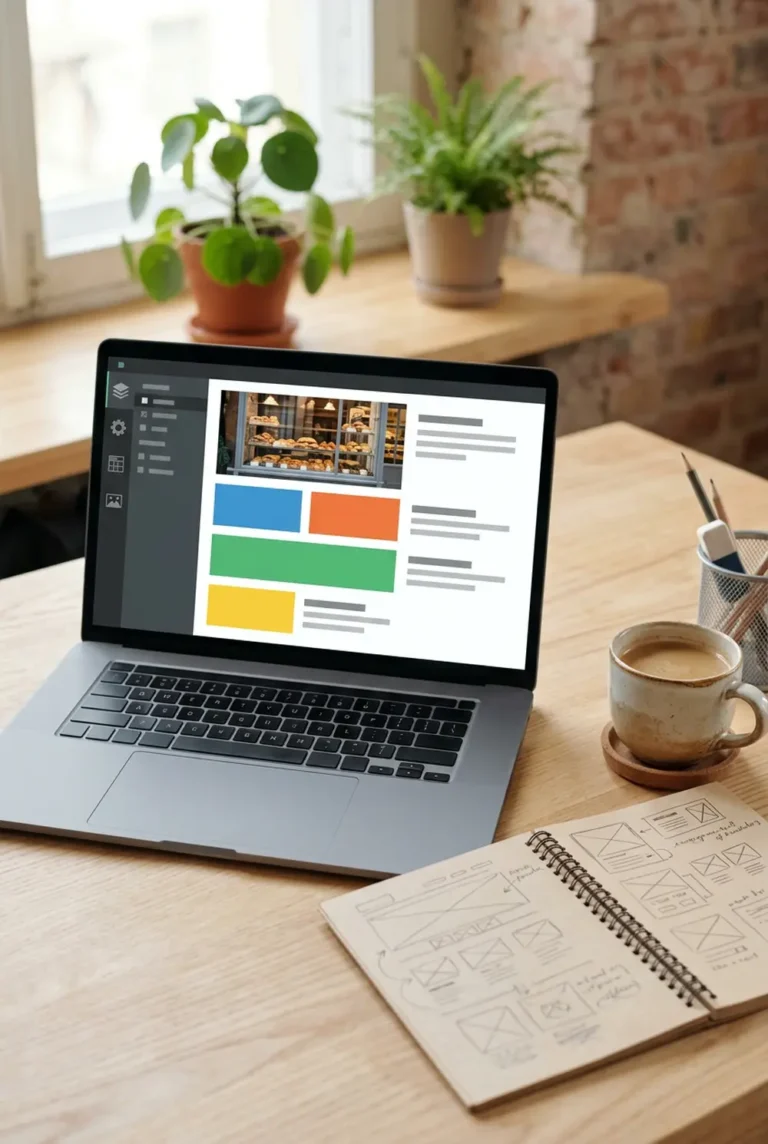
15 Steps to Start an Etsy Shop and Make Your First Sale
Starting an Etsy shop is exciting, but the number of small decisions at the beginning can feel overwhelming. The good news is that thousands of ordinary people have done this before you, and the path is well worn. You do not need experience, a big budget, or a business degree. You just need to take the steps in a sensible order, one at a time, and keep each step simple.
This guide walks you through all fifteen steps, from picking your first idea to making your first sale and planning what comes next. Work through them in order, because each step builds on the one before it. Most steps take less than an hour, and many cost nothing at all. By the end, you will have a real, open shop with live listings that buyers can actually find and purchase.
1. Pick a Niche You Know and Love
Everything starts with choosing one clear thing to sell to one clear type of buyer. A niche is simply a small corner of the market, like funny shirts for nurses, planners for teachers, or prints for new parents. A narrow niche makes your shop easier to find and easier to remember. Pick something connected to your hobbies, your job, or your everyday life, because your own product experience helps you design products buyers genuinely want.

2. Research Demand and Check Your Competitors
Before you make anything, check that real people are already buying similar products. Search Etsy for your idea and look at the best sellers in your niche: note their prices, photo styles, and the words they use in their titles. Read their reviews to learn what buyers love and what they complain about. Strong sales and repeat themes mean healthy demand. You are not copying anyone; you are learning what the market already wants.

3. Decide: Digital, Print on Demand, or Handmade
Next, choose how your products will be made and delivered. Digital products, like printable planners and wall art, are created once and downloaded by buyers, so there is no stock and no postage. Print on demand means a company prints and ships each order for you. Handmade means you make and post items yourself. Each route works well; the right choice depends on your skills, your budget, and how much time you can give each week.
4. Choose a Clear, Memorable Shop Name
Your shop name is the first piece of your brand, so choose one that is short, easy to spell, and easy to say out loud. It should hint at what you sell or who you sell to, without locking you into one single product forever. Check that the name is available on Etsy and that a matching social media handle is free. Avoid names that copy famous brands, and say your finalists aloud before deciding.

5. Open Your Etsy Account and Create Your Shop
Now make it official. Create a free Etsy account with your email, then click the option to open a shop and follow the setup screens: choose your language, country, and currency, then enter your shop name. Etsy will ask how you want to be paid and how you will cover your bills, so have your bank details ready. The whole setup usually takes under an hour, and you can pause and return whenever you like.

6. Set Up Shop Policies and Payment Details
Policies sound boring, but they protect you and reassure buyers. Set your processing times honestly, write a clear returns policy, and describe how your products are made and shipped. Connect a payment method so Etsy can pay you, and decide whether you will offer digital downloads or physical postage. Keep your policies short and clear, because most buyers only read them when something has gone wrong.

7. Build Your First Product or Product Range
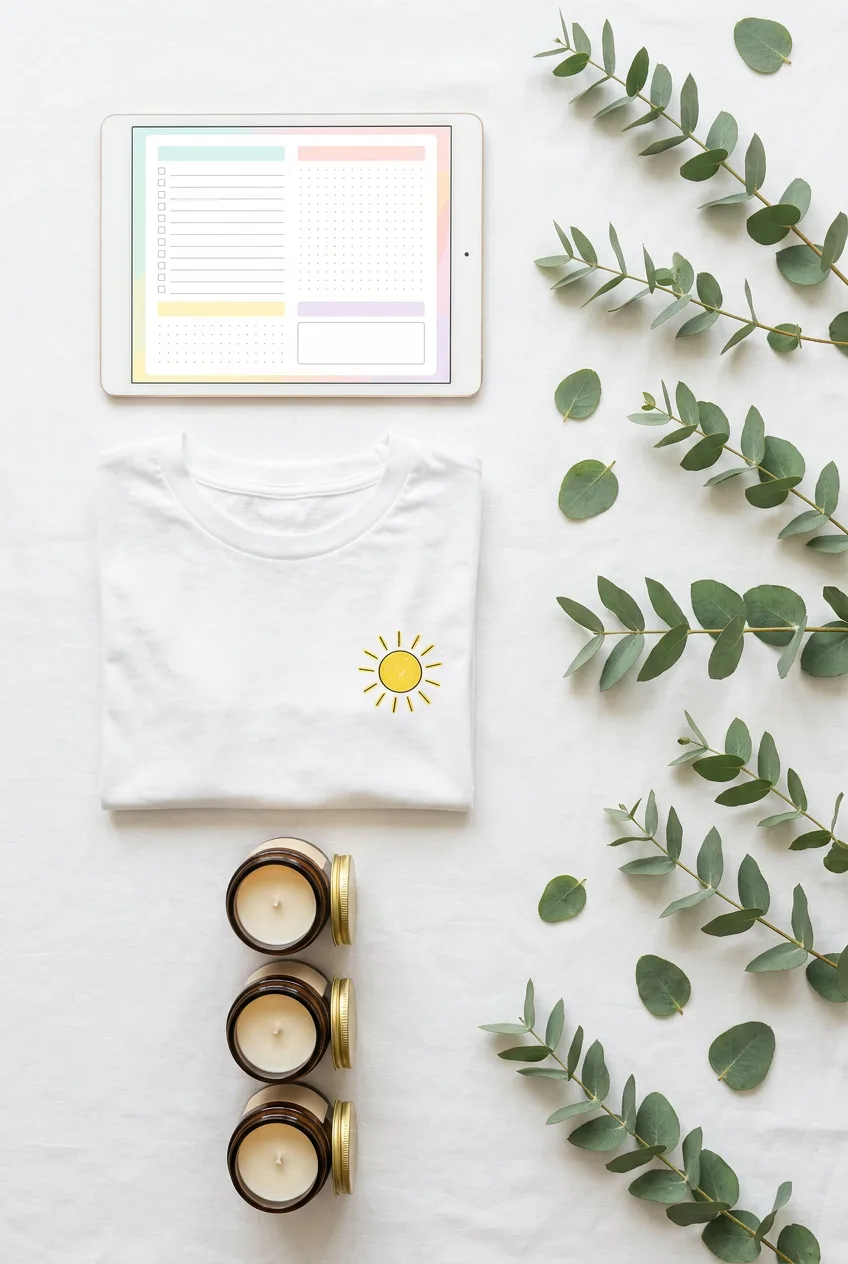
Start small, with one clear product or a small range of five to ten related items. For digital products, design your first files in Canva or a similar tool. For print on demand, upload your artwork and check every mockup carefully. For handmade products, make a small first batch and photograph it well before you list it. A small, polished range is better than a large, rushed one.

8. Take Clear Photos or Design Strong Mockups
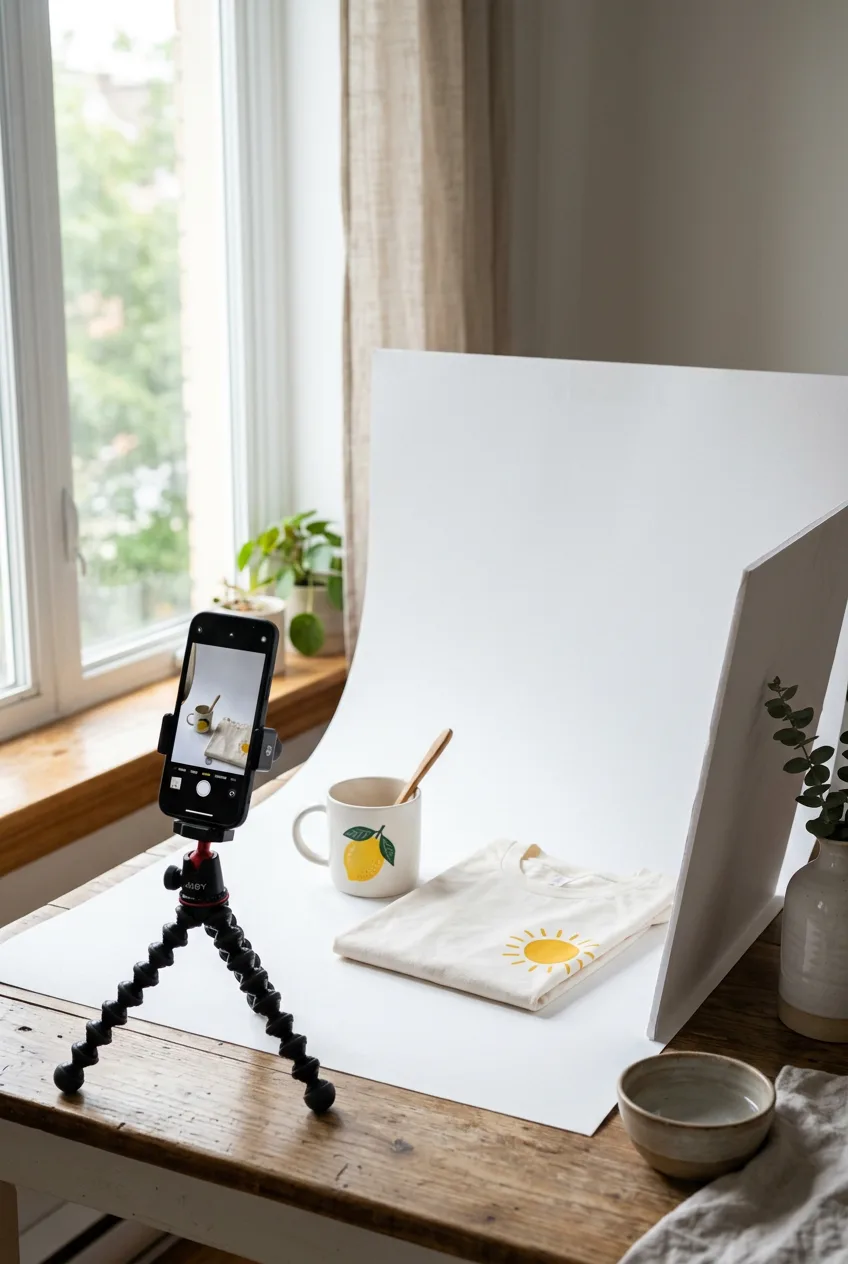
Good photos sell your shop. Use natural light, a plain background, and a phone or camera on a steady surface. Show the product from the front and the back, in use, and next to something familiar so buyers can judge the size. Digital sellers need clean mockups that show the product in real use. Every photo should be sharp, bright, and free of clutter, so buyers can trust what they will receive.
9. Write Titles, Descriptions, and Tags That Help Buyers Find You
Etsy search works on words, so choose them carefully. Put the most important words in your title, use simple, honest language in your description, and fill all thirteen tags with relevant phrases buyers might search for. Explain what the product is, who it is for, what it is made from, and how it will be delivered. Clear, keyword-rich writing helps the right people find you, and it also helps them decide to buy.

10. Price Your Product Properly
A good price covers your costs, your time, and Etsy’s fees, and still leaves you a profit. Add up your materials, postage, and Etsy fees, then add an amount for your time. Look at the prices charged by similar sellers, but do not copy the cheapest option: low prices often attract difficult buyers and leave you with almost no profit. Set your price confidently, because buyers often read price as a sign of quality.

11. Launch, Get Your First Sale, and Ask for a Review
Open your shop and publish your first listings, then share them with friends, family, and online groups where your ideal buyers spend time. Once you make a sale, send your order promptly and with care, and ask them what they love, how they found you, and what would make them come back. Use what you learn to improve each listing and each shop update, because one delighted buyer often leads to more.

12. Promote Your Shop on Pinterest and Social Media
Etsy brings buyers, but social media brings more. Pinterest is especially powerful for Etsy sellers, because it works like a search engine for ideas. Create pins for every listing and link each pin back to your shop. Share behind-the-scenes photos on Instagram and TikTok, and post regularly so people remember you. A few minutes of promotion each day can add up to a steady flow of new visitors.
13. Use Etsy Ads and SEO to Get Found
Once you have a few listings, use Etsy’s own search tools to help buyers find you. Refresh your titles and tags regularly, add new listings often, and test small Etsy Ads budgets to see which products attract clicks. Watch your shop statistics to learn which search words bring visitors, and which listings turn them into buyers. Small, regular improvements to your search words are more effective than big, occasional changes.

14. Handle Orders, Messages, and Customer Service Well
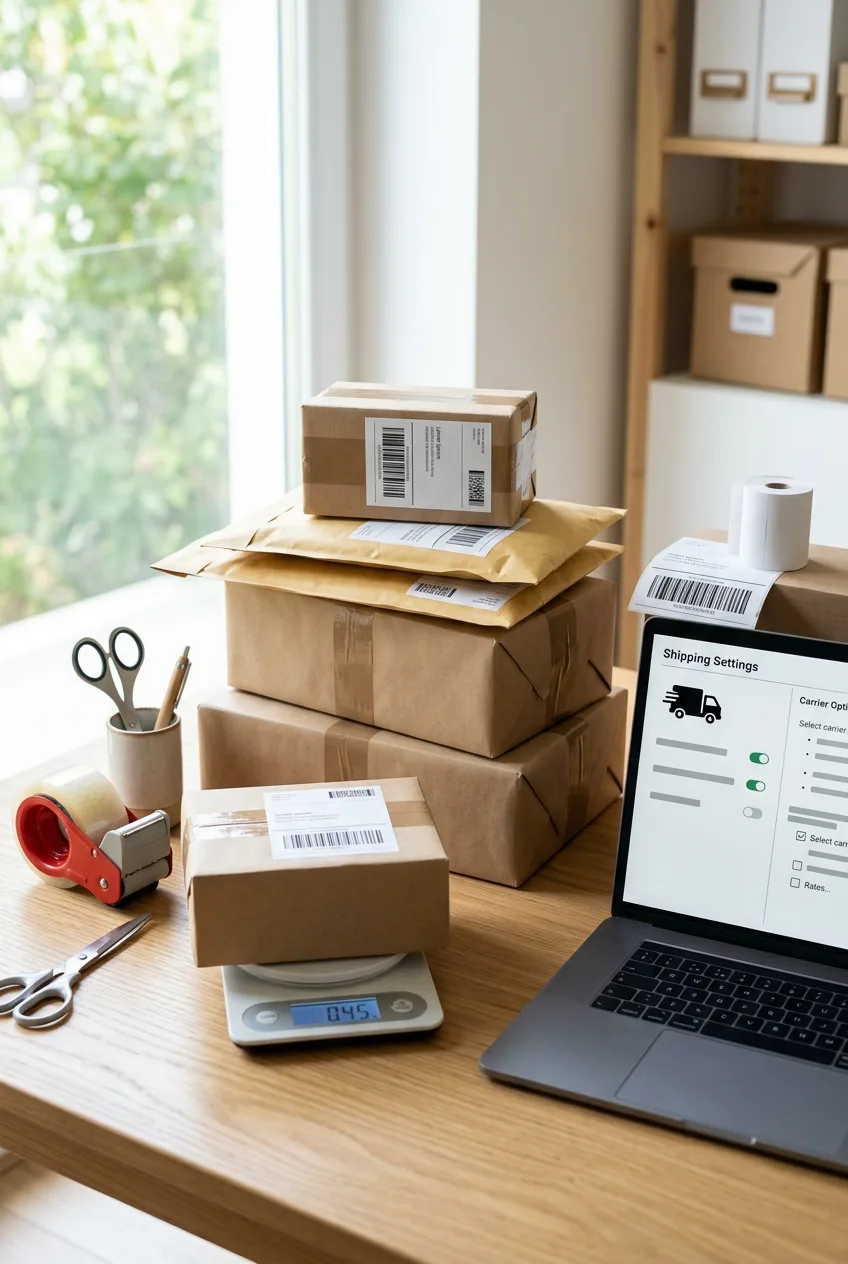
Good customer service turns one sale into repeat sales. Reply to messages quickly and politely, package orders carefully, and send them on time. If something goes wrong, be honest, offer a fix, and follow up until the buyer is happy. Buyers remember how you treated them, and a thoughtful message or a small thank you note in a parcel can turn a single purchase into a loyal customer.

15. Review Your Sales, Learn, and Plan Your Next Product
After your first sale, look at what worked. Which listing sold first? Which search words brought buyers? Which photo or price worked best? Use your shop statistics to guide your next product, and add new listings based on what buyers already want. A shop that grows a little every week soon becomes a shop with steady sales, and that is how small beginnings turn into a real income.

Conclusion
Starting an Etsy shop takes fifteen clear steps, but none of them is hard on its own. Choose a niche, learn what buyers want, decide how your products will be made, and build your shop one simple step at a time. Publish your first listings, promote them, and learn from every sale.
Your first sale may be the hardest one to win, but it proves that the path works. Keep adding products, keep improving your listings, and keep talking to your buyers. A small shop started today can grow into a steady income, one sale at a time.