
19 Print on Demand Mistakes That Kill New Etsy Shops
Almost every new print on demand seller makes the same handful of mistakes, and almost none of them are your fault. Nobody hands you a rulebook when you open an Etsy shop, so you learn by doing, and sometimes by losing a sale or two along the way. That is simply how this business teaches its lessons.
The good news is that every mistake on this list is common, well understood, and fixable without spending much money or starting over. Read through them before you list your next product, catch the ones you are making early, fix them one at a time, and your young shop will soon look more professional than sellers who have been open far longer.
1. Uploading Low-Quality, Blurry Designs
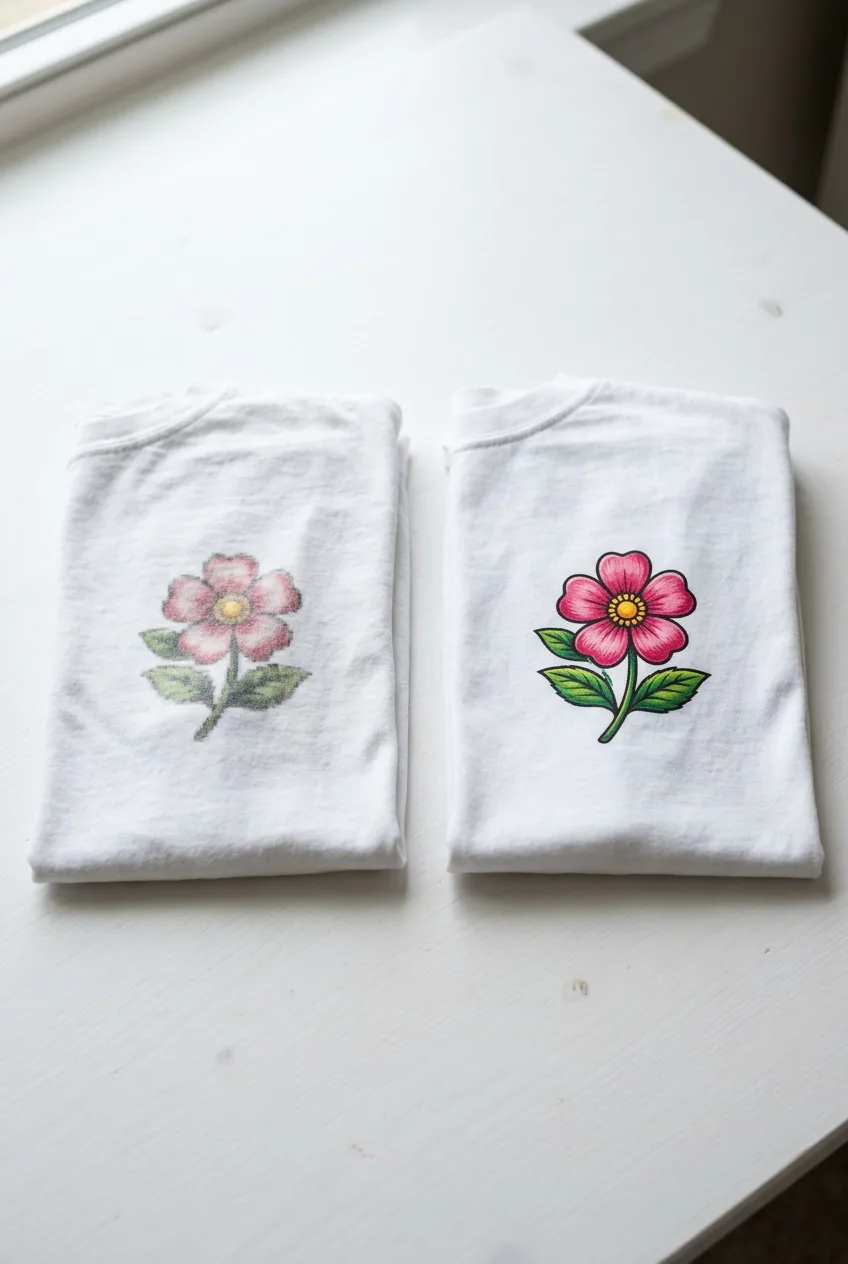
A design that looks fine on your phone screen can print as a soft, blurry mess on a shirt or mug. Printers need large, sharp files, so small images stretched across a big print area lose detail fast. Always create designs at the size your provider recommends, at 300 DPI where possible, and zoom in to check edges before you publish any listing.
2. Copying Trending Designs
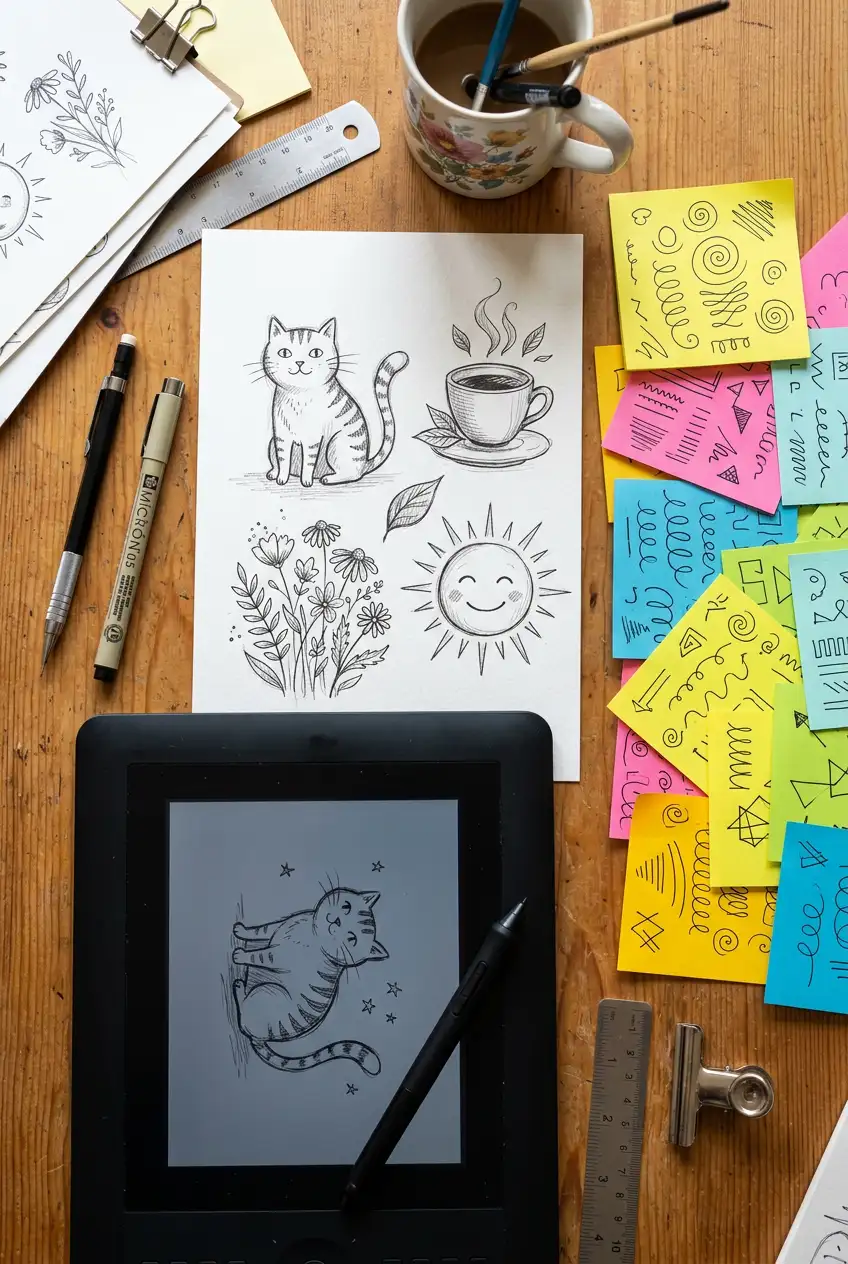
Copying a design that is already selling feels like a shortcut, but it is the fastest way to lose your whole shop. Popular phrases, characters, logos, and celebrity images are usually protected by trademark or copyright, and Etsy removes listings and closes repeat offenders. Use trends for inspiration only, then create your own words, artwork, and angle that nobody can take away from you.
3. Trying to Sell to Everyone
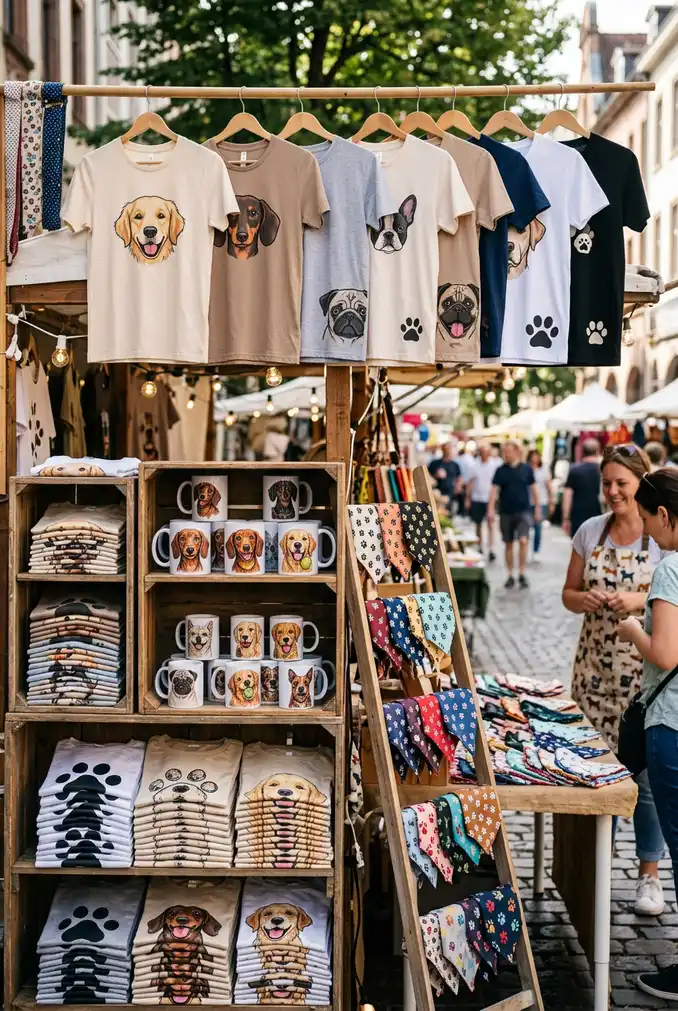
A shop that sells funny dog shirts, wedding mugs, and fishing hats to nobody in particular struggles to grow. Etsy rewards shops that one kind of buyer loves, because those buyers click, favourite, and buy more than one item. Pick one audience, learn what they laugh at and gift each other, and let your first twenty designs speak directly to them.
4. Never Ordering a Sample
Your provider’s screen mockup is a guess, not a promise. Colours shift, prints sit lower than expected, and fabric quality surprises many first-time sellers. Order one sample of every new product type before you promote it, wear or use it yourself, and photograph it. The small cost protects you from refunds, bad reviews, and selling something you have never actually touched.

5. Using Only Plain Provider Mockups
Provider mockups are clean, but thousands of shops use the exact same images, so your listing looks identical to everyone else’s. Buyers trust photos that feel real and personal. Use your sample to take your own photos, or place your design into lifestyle mockup scenes with real rooms, models, and light. One honest, warm photo often outsells five sterile studio renders.

6. A Weak, Dark First Photo
Your first photo is your shop window in search results, and buyers decide in about one second whether to click. Dark, cluttered, or far-away photos get skipped even when the product is great. Make the first image bright, close, and simple, with the design readable at thumbnail size. Check how it looks in Etsy’s mobile search before you publish anything.

7. Pricing Without Doing the Math
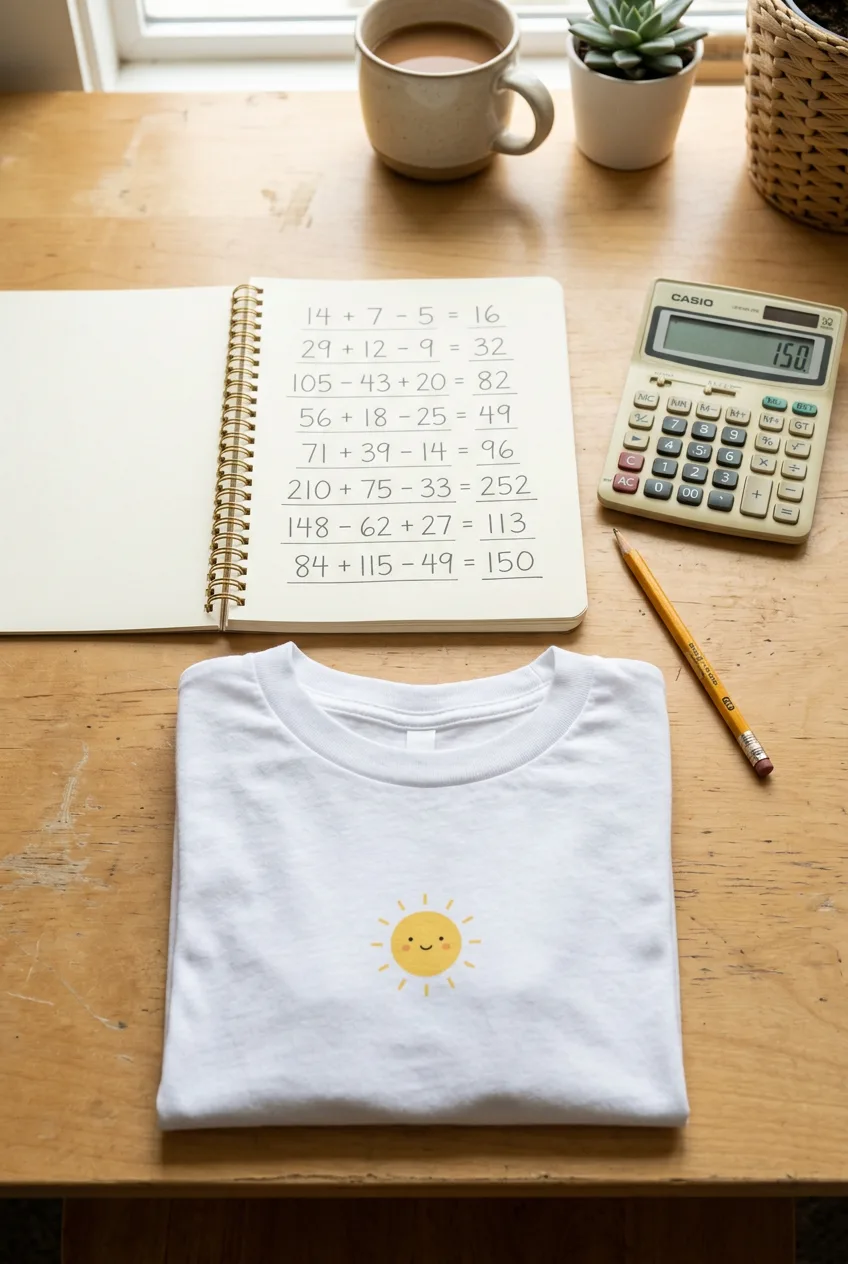
Many beginners pick a price that feels fair and quietly lose money on every order. Your real cost includes the product, printing, shipping, Etsy fees, and the time you spend on messages and fixes. Add every cost first, then set a price that leaves a healthy margin. It is far easier to lower a price later than to raise one.
8. Undercharging for Shipping
Cheap-looking shipping is tempting, but somebody always pays the real postage, and if the buyer does not, you do. Beginners often copy another shop’s shipping price without checking their own provider’s rates for each country. Set your shipping from your provider’s actual price list, consider building part of it into the product price, test one order to your own address, and never guess a number.

9. Ignoring the Print Area and Bleed
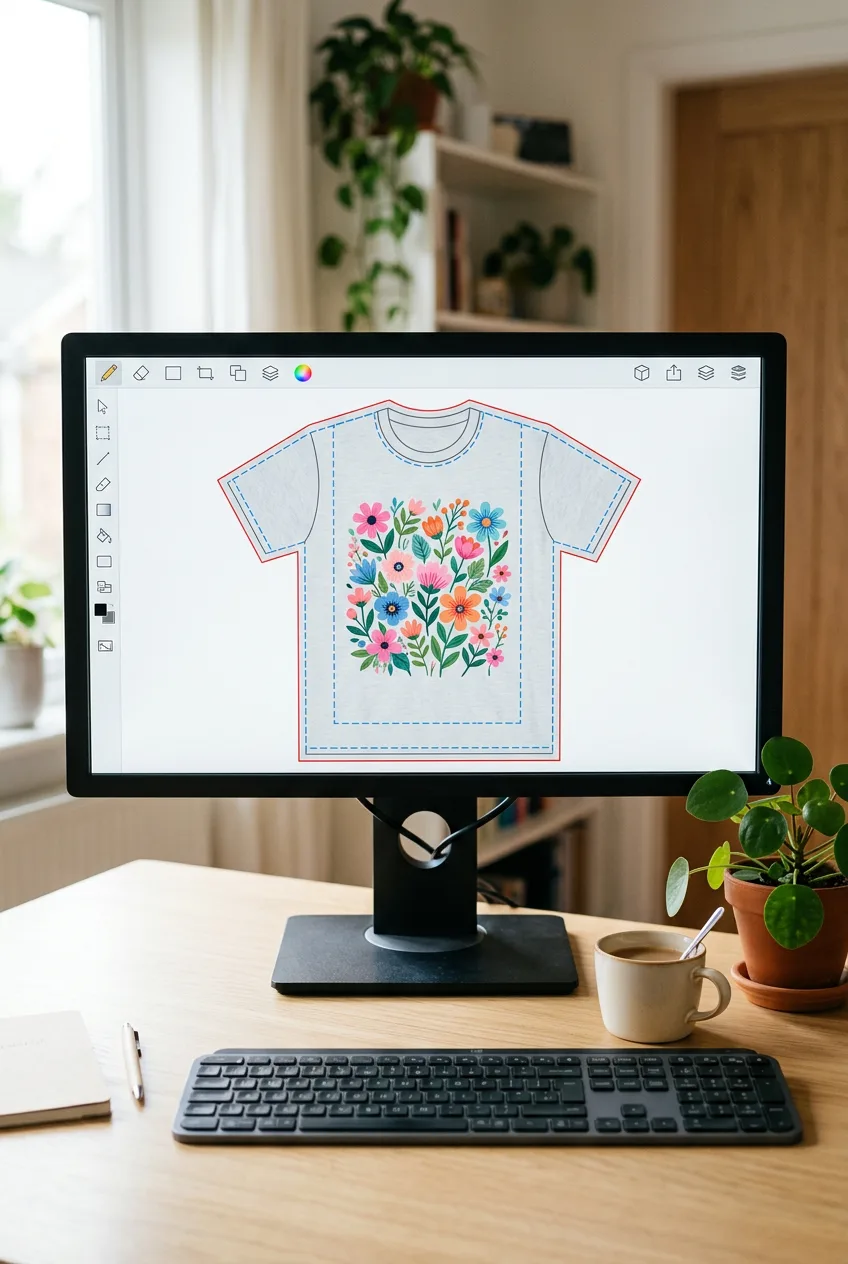
Every product has a safe print area, and designs placed too close to the edge can get cropped, warped, or cut off in production. Text near seams and handles causes the most painful surprises. Keep important words and faces inside the safe zone your provider shows, use their templates for tricky products, and preview every design at full size before publishing.
10. Writing Vague Titles With No Keywords
A cute title like “Funny Shirt for Her” tells Etsy’s search engine almost nothing. Buyers search with specific words, such as “funny nurse t-shirt, registered nurse gift”, and listings that match those words get found. Put your strongest keywords naturally at the start of your title, fill every tag with real search phrases, and describe the buyer, the occasion, and the product clearly.

11. Forgetting the Personalisation Box
Personalised products are some of Etsy’s best sellers, yet beginners often describe custom options in the text but forget to turn on the personalisation box at checkout. Buyers then order without leaving a name, and awkward message exchanges follow. If a product can be customised, enable the box, give one clear example of what to type, and state your proof policy.

12. Choosing a Provider on Price Alone
The cheapest printer is rarely the cheapest in the end. Slow production, weak print quality, and missing parcels create refunds and one-star reviews that cost far more than a slightly higher base price. Compare providers on quality, production time, and where they print, not just cost. A reliable provider close to your buyers protects both your margin and your reputation.
13. Not Checking Shipping Times
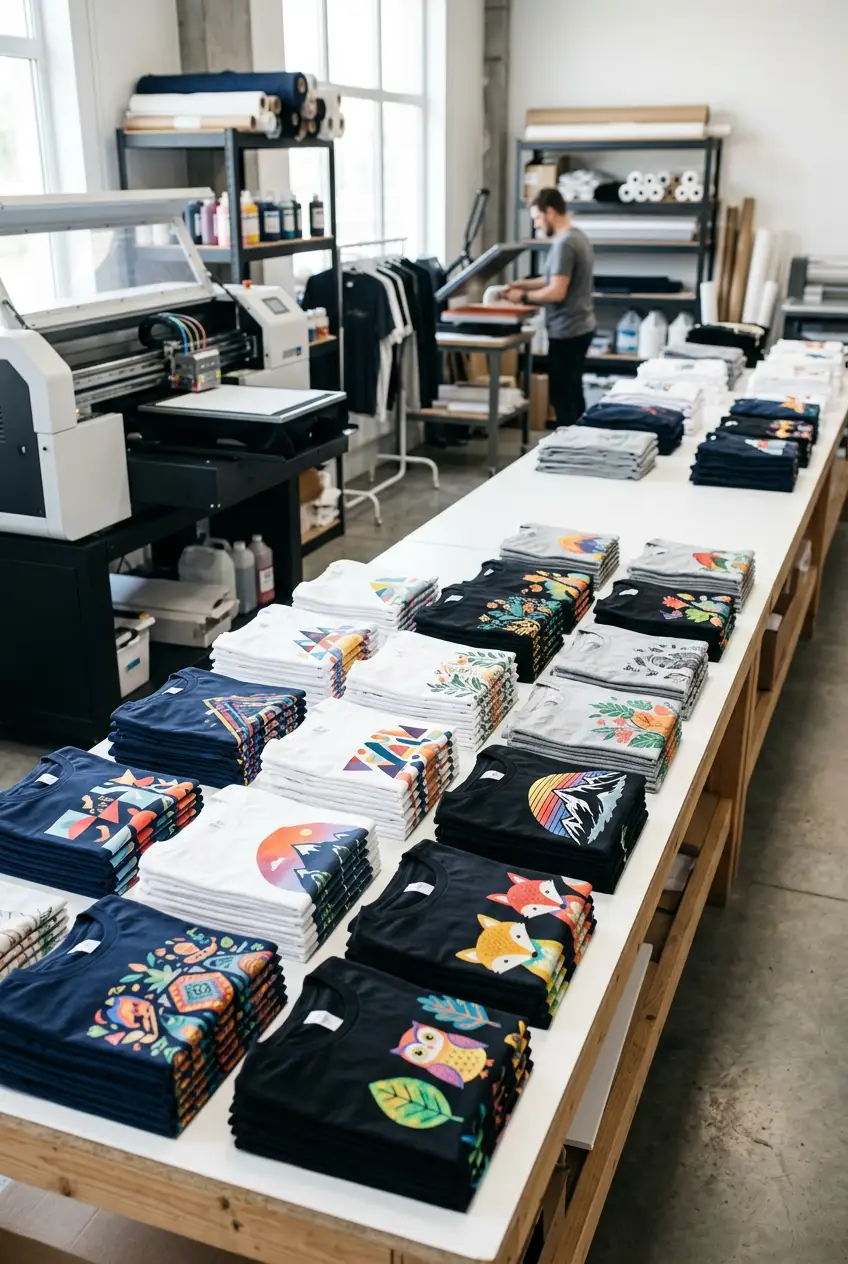
Print on demand is not instant, and buyers rarely read the fine print before ordering for a birthday or holiday. If your provider needs four days to print and a week to deliver, your listing must say so honestly and early. Add realistic processing times in your settings, repeat them in your description and FAQ, and message buyers kindly when delays happen.
14. Listing Too Many Products Too Fast
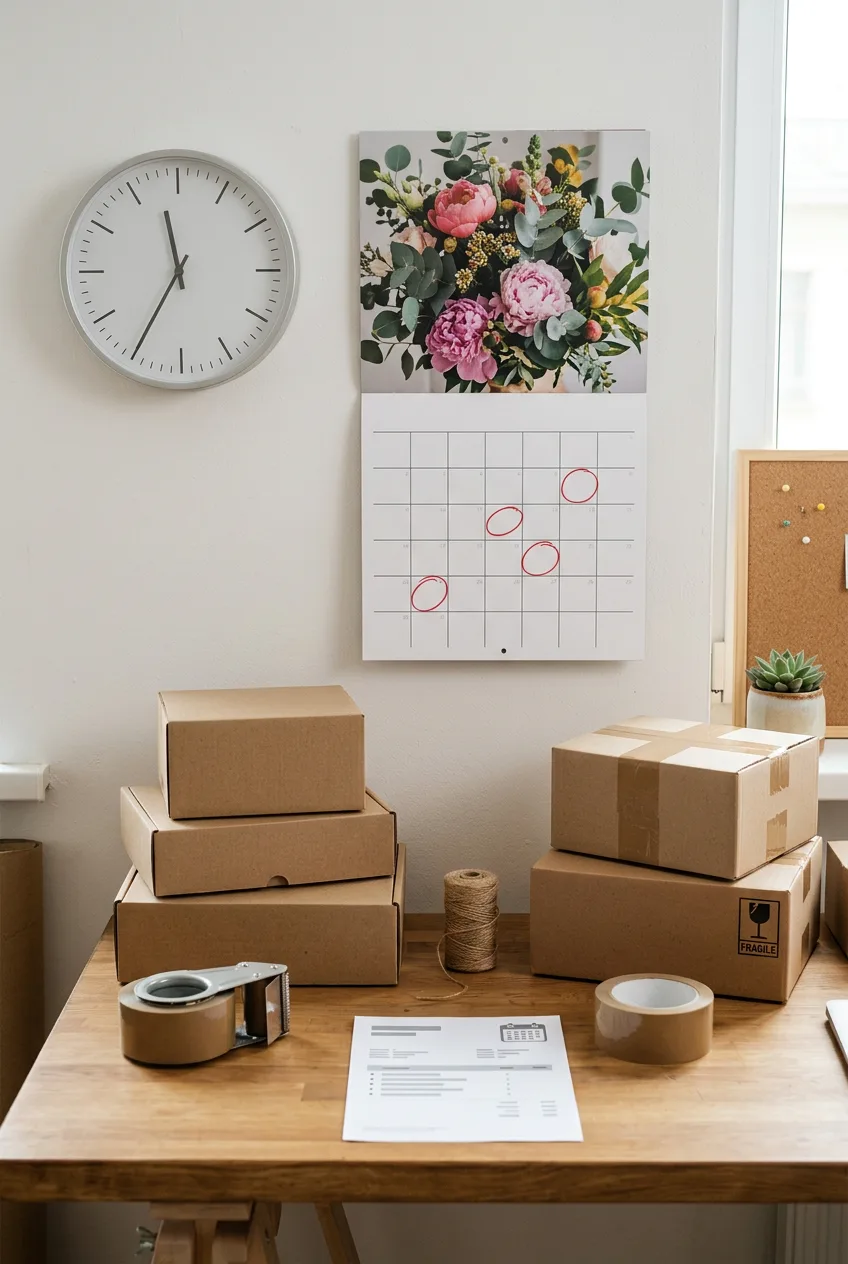
Uploading a hundred rushed designs in one weekend feels productive, but thin, untested listings usually just sit there and make your shop look scattered. Ten thoughtful products with strong photos, titles, and one clear audience almost always beat a hundred guesses. Slow down, publish in small batches, watch what gets clicks and favourites, and make more of what buyers actually respond to.

15. Having No Shop Policies
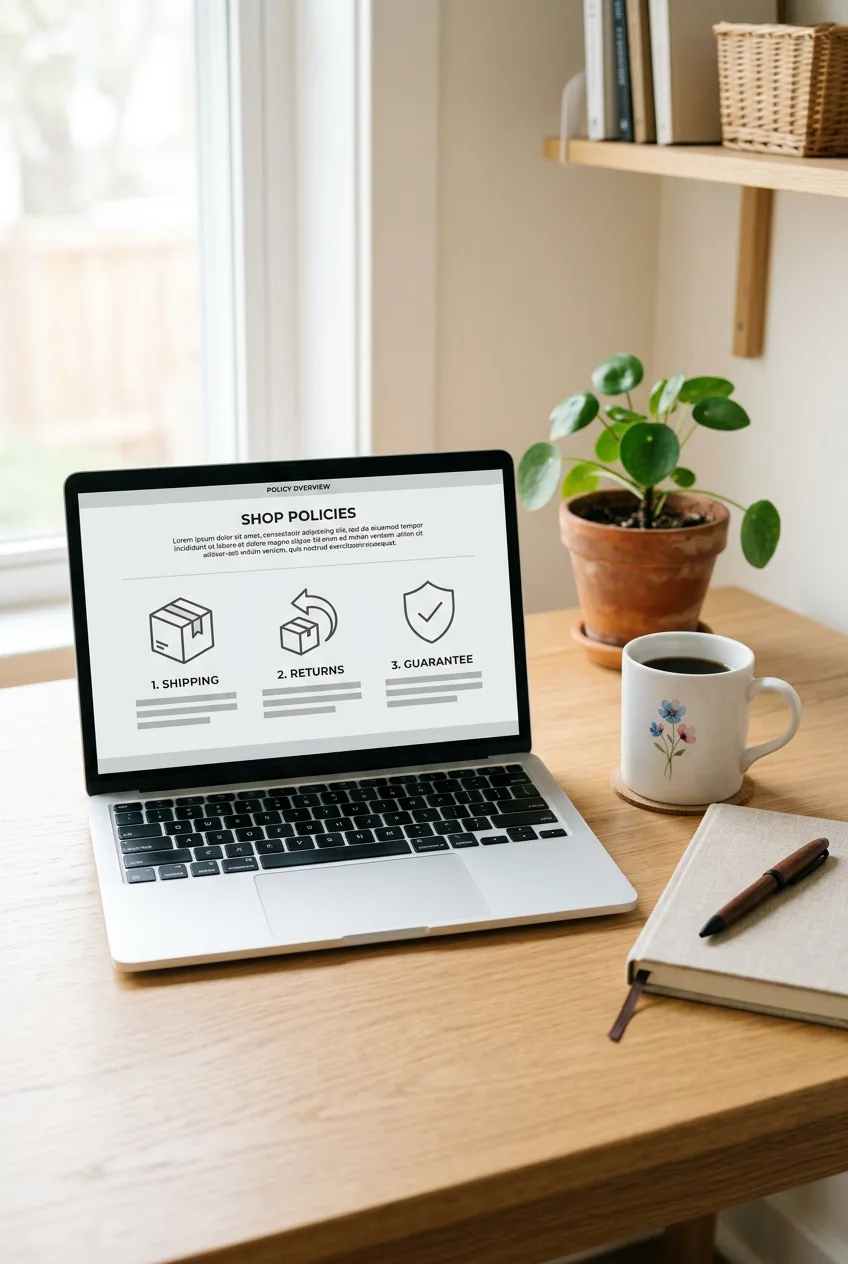
An empty policies section makes buyers nervous, especially about returns on custom items. Print on demand shops cannot accept every return, but silence is worse than a fair, written rule. Before your first sale, write simple policies covering processing times, shipping, damaged items, and personalised orders. Clear policies prevent most disputes, answer questions before buyers even ask them, and make you look like a real business.
16. Replying to Messages Too Slowly
A buyer asking a quick question is often minutes away from buying, or from buying from someone else. Slow replies quietly cost new shops many early sales, and Etsy also notices response speed. Turn on notifications, answer within a few hours when you can, and save friendly ready-made replies for common questions about sizes, shipping, and personalisation. Kind speed builds trust fast.

17. Skipping Branding Completely
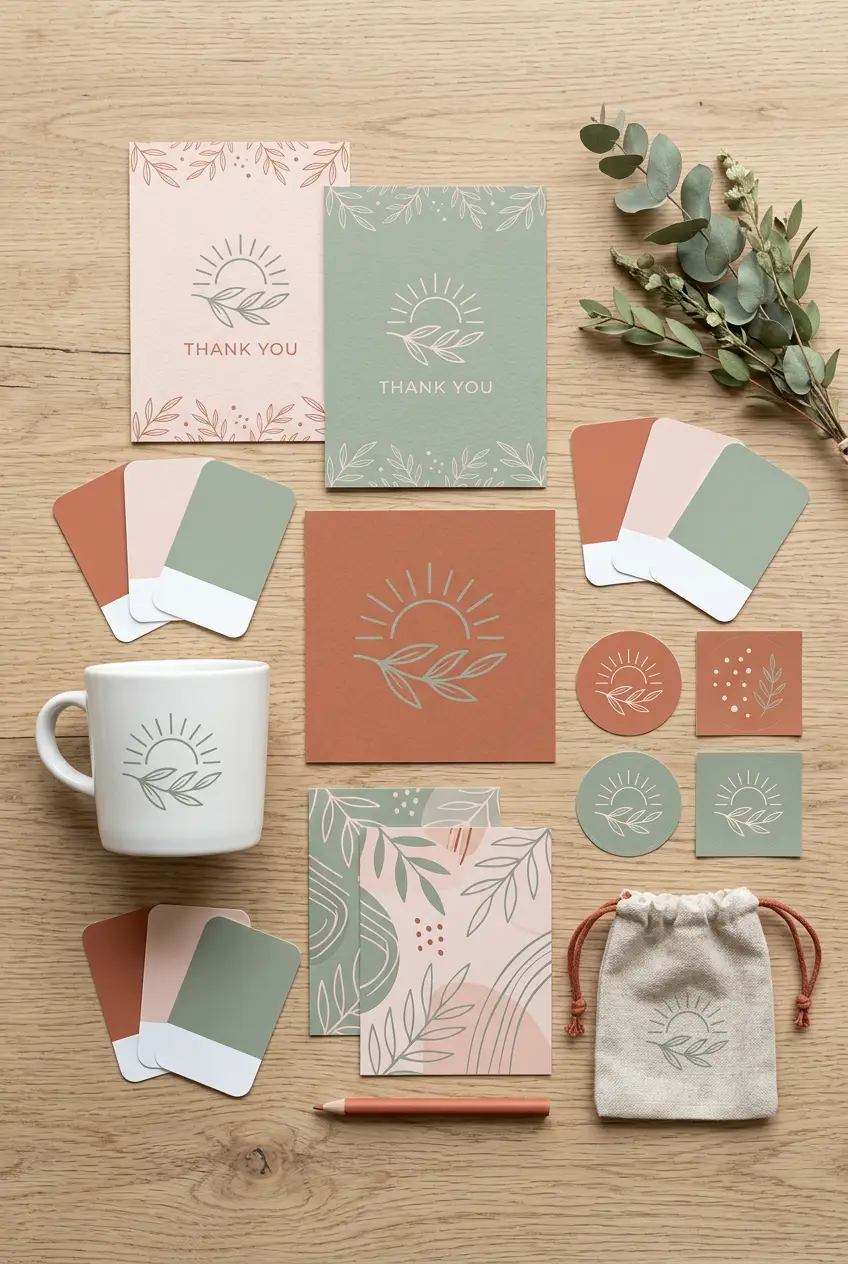
Random fonts, clashing colours, and no shop banner make even good products feel risky to buy from. Branding does not need a designer: one logo, two or three colours, and the same clean style across your banner, photos, and packaging notes is enough. When a shop looks like one thoughtful business, buyers relax, remember you, and come back for gifts.
18. Never Checking Your Stats and Reviews
Guessing what buyers want is exhausting, but your shop is already telling you the answer. Etsy stats show which listings get found, clicked, and favourited, and reviews quietly point at sizing, colours, and shipping problems to fix. Check your numbers once a week, improve the listings that almost sell, and fix any complaint that appears twice before it appears a third time.

19. Giving Up Too Early
The most common mistake of all is quitting during the quiet first weeks, just before the learning starts to compound. Most successful shops looked unsuccessful at the beginning, because early sales come slowly while Etsy learns what you sell. Give your shop a fair season, keep improving photos, titles, and designs a little each week, and judge your progress monthly, not daily.

Conclusion
None of these nineteen mistakes means you chose the wrong business or lack talent. They are the standard first-year lessons of print on demand, and every established seller has made several of them. The sellers who grow are simply the ones who fix them one at a time. Pick the two or three mistakes you recognise in your own shop, fix those first, and let each small repair make the next sale easier.
If you would like a friendly hand setting up the basics the right way, grab the free Etsy start guide at sidehustleautopilot.com. It walks you through opening your shop and creating your first listing in plain, simple steps, so you can start print on demand calmly and skip the most expensive beginner mistakes from day one.